

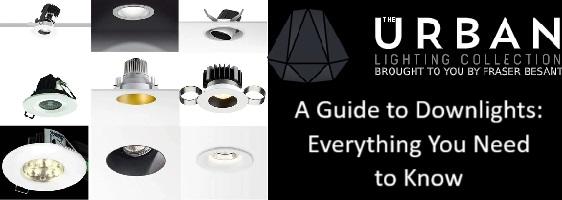
A Guide to Downlights: Everything You Need to Know
When it comes to lighting that’s sleek, subtle, and incredibly effective, downlights are the go-to choice for both modern and traditional interiors. Whether you’re renovating your kitchen, updating your bathroom, or creating ambiance in your living room, downlights offer a stylish and practical solution.
In this guide, we’ll break down what downlights are, the different types available, and how to choose the right ones for your home or project.
What Are Downlights?
Downlights (also called recessed lights or spotlights) are ceiling-mounted fixtures that direct light downward in a focused beam. They are typically embedded within the ceiling, offering a clean, flush finish that doesn’t intrude on the room’s aesthetic.
They're popular because they:
- Save space
- Offer focused and adjustable lighting
- Can be used to highlight key areas or create a soft, ambient glow
- Suit a wide range of rooms and interior styles
Types of Downlights
There are several types of downlights, each serving different needs:
1. Fixed Downlights
- These shine light straight down and cannot be adjusted. Ideal for general lighting in living rooms, hallways, and bedrooms.
2. Adjustable (Tilt) Downlights
- These allow you to angle the beam, making them great for highlighting artwork, shelves, or architectural features.
3. Fire-Rated Downlights
- Essential when installing in ceilings that are part of a fire barrier (like between floors). They slow the spread of fire and are a legal requirement in many residential applications.
4. IP-Rated (Bathroom) Downlights
- Bathrooms need downlights with specific IP (Ingress Protection) ratings to guard against moisture. For example:
- IP44: Suitable for bathroom zones 1 and 2.
- IP65: Fully water-resistant, ideal for showers and wet rooms.
5. Smart Downlights
- These connect to your smart home system or smartphone, letting you change brightness or colour temperature remotely.
LED Downlights: Why They’re the Best Choice
Nearly all modern downlights use LED technology, and for good reason:
- Energy Efficient – up to 90% less energy than halogen
- Long Lifespan – typically 25,000–50,000 hours
- Cooler to the Touch – reduces fire risk
- Dimmable Options – create the perfect ambiance
- Variety of Colour Temperatures – from warm white to daylight
Where Should You Use Downlights?
Living Rooms
- Use dimmable downlights for soft, flexible lighting. Combine with floor or table lamps for layered effects.
Kitchens
- Ideal for task lighting over counters, islands, or sinks. Use bright, cool-white LEDs for clarity.
Bathrooms
- Install IP-rated downlights in the ceiling, especially over showers and bathtubs. Opt for warm-white tones for a relaxing feel.
Bedrooms
- Create a cosy atmosphere with dimmable downlights. Use tilt options to highlight wardrobe areas or art.
Hallways & Stairs
- Great for continuous lighting that doesn’t clutter the space. Helps create a seamless, minimalist look.
How Many Downlights Do You Need?
A common formula is:
- 1 downlight per 1.5–2 square metres of ceiling space.
However, it depends on:
- Ceiling height
- Colour of walls/furniture (light colours reflect light better)
- Desired brightness (measured in lumens)
The type of beam angle you choose (narrow beams for spot lighting, wide beams for general lighting)
Pro Tip: It’s better to have more lights at a lower brightness than fewer lights that are too intense. This creates a more balanced, comfortable feel.
Choosing the Right Colour Temperature
- 2700K–3000K (Warm White): Great for bedrooms, lounges, and dining rooms.
- 4000K (Cool White): Ideal for kitchens, bathrooms, and workspaces.
- 5000K–6000K (Daylight): Best for task-heavy areas or where natural light is limited.
Do You Need a Fire-Rated Downlight?
If you're installing downlights in a ceiling that separates different floors, you'll almost always need fire-rated versions. These are designed to restore the fire integrity of your ceiling by sealing the hole made for the fitting.
Downlight Installation Tips:
- Always consult a qualified electrician for installation, especially when dealing with fire-rated or bathroom fittings.
- Don’t overload your circuit with too many lights.
- Use compatible dimmer switches if your downlights are dimmable.
- Plan your layout in advance—symmetry and spacing make a big difference.
Final Thoughts
Downlights are more than just functional—they can transform the way a space feels and works. From cosy bedroom retreats to bright, efficient kitchens, they’re an essential tool in any interior design toolkit.
At The Urban Lighting Collection, we offer a range of high-quality downlights to suit every room, taste, and technical requirement. Whether you’re after discreet minimalism or focused task lighting, we’re here to help you light your home beautifully.


